Why Solana NFTs, a web Phantom wallet, and staking SOL finally feel…usable
Whoa!
I was poking around my browser the other day and thought: NFTs on Solana are moving fast. Seriously? The fees are tiny, and the speed actually makes using collectibles fun again. Initially I thought blockchain UX would always be clunky, but then I tried a web wallet and my expectations shifted—slowly, weirdly, pleasantly.
Hmm… let me be blunt. Web wallets used to be sketchy. They felt like a compromise between convenience and safety. My gut said to never enter keys in a browser, but experience taught me to weigh tradeoffs carefully, and to trust vetted providers less reluctantly.
Whoa!
Solana’s ecosystem changes how you interact with NFTs. Transactions confirm in a blink. The low cost means you can experiment without heart-stopping gas bills. On the other hand, the infrastructure is younger than Ethereum’s, which means tooling and best practices are still stabilizing—so stay aware.
Okay, so check this out—NFTs on Solana aren’t just JPEGs. Creators use on-chain metadata, interactive collections, and compressed formats that make minting cheap and drops more creative. I saw a collection recently that layered playable elements directly into metadata (very clever, though imperfect). That kind of composability opens new design space, but it also means wallets need to surface more context.
Whoa!
Browsers are where many users live. A web version of a wallet removes friction—the signup loop shortens, and you can jump straight into an NFT marketplace or a social mint. The tradeoff? Browser-based sessions demand judicious security practices. Use a secure machine, keep software updated, and treat your seed phrase like it’s physical cash.
Here’s the thing. When I first used a web wallet I was skeptical. Actually, wait—let me rephrase that: I was protective, almost stubborn about keeping keys offline. But then I tested reputable web builds and watched their sandboxing, permission models, and transaction previews improve considerably. On one hand convenience won; on the other hand, I still prefer hardware for large holdings.
Whoa!
Phantom’s ecosystem (and compatible web builds) shows how smooth a Solana flow can be. Connecting to marketplaces, approving a mint, then inspecting a token’s metadata all happen fast. I’m biased, but a good web wallet can lower the onboarding barrier for collectors coming from traditional web apps.
Practical steps: how to handle NFTs, web wallets, and staking SOL
Whoa!
First: get familiar with the wallet UI. Click around. Look at recent transactions. Pay attention to the permissions requested during dApp connections. If a site asks to move funds or sign arbitrary messages that look unrelated, pause and inspect.
Second: use a web wallet primarily for day-to-day interactions—minting, browsing, trading low-value items. For long-term storage of high-value NFTs or SOL, prefer a hardware wallet or a well-secured custodial solution. I’m not 100% rigid here; context matters—time-sensitive mints sometimes require quick browser access.
Whoa!
Third: staking SOL is less glamorous than NFTs, but it matters. Delegating your SOL to a validator earns rewards and supports network security. The process is straightforward in most wallets—choose a validator with steady uptime and transparent fees. Also check whether the wallet displays unstaking cooldowns and current APY clearly; that stuff is surprisingly useful.
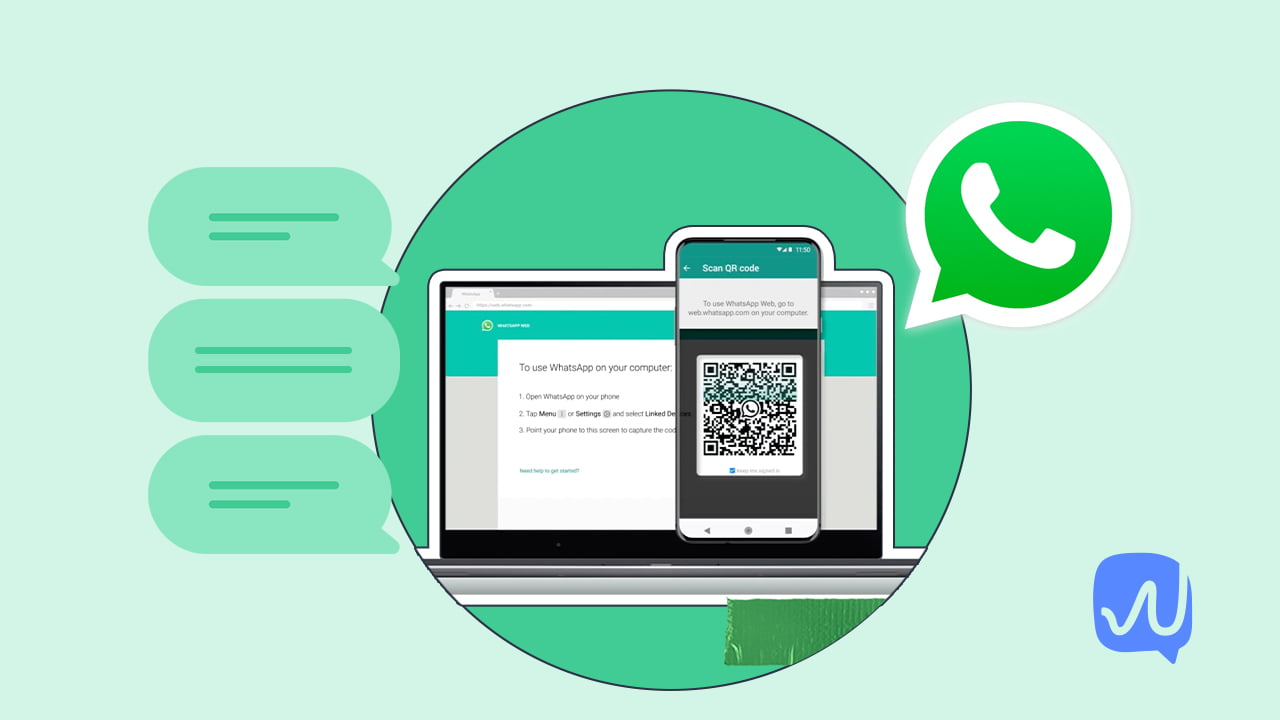
Now, a small detour (oh, and by the way…)—if you’re looking for a quick, web-based experience to try these flows, there’s a web version of the phantom wallet that some folks use to test UX without installing extensions. I’m mentioning it because web-first options reduce friction for newcomers, but do your own checks and always verify the URL and signatures.
Whoa!
Security notes—short and blunt. Never paste your seed phrase into a site. Use browser isolation if you’re experimenting. Keep anti-phishing protections on. Double-check transaction details before approving. This is basic but I still see avoidable mistakes.
On a deeper level, though, there’s a trust calculus. At first I thought custodial wallets were obviously worse, but then I realized convenience matters when mainstream adoption is the goal. Actually, wait—let me rephrase that: custodial services have their place, especially for non-technical users, though they centralize risk.
Whoa!
Wallet UX design matters for NFTs. Show the collection provenance. Provide clear royalty and licensing information. Make transaction previews readable for humans, not lawyers. These are usability fixes that would make a huge difference for collectors moving from web2 marketplaces to on-chain ownership.
Here’s a truth I keep coming back to: rapid innovation on Solana breeds creative projects, but it also creates uneven security standards. That tension means users should be curious and cautious at once. Test with small amounts. Use fresh accounts for airdrops. Learn to read a token’s metadata before you buy into scarcity narratives.
Whoa!
Tools are catching up. Analytics dashboards, explorer improvements, and better wallet sandboxing reduce risk and increase transparency. Still, no tool fixes poor operational practice—if you reuse passwords, or click every «Sign» prompt, tools can’t save you from human error.
Finally—what I personally do. I split my use: a web wallet for discovery and small trades, a hardware wallet for storage, and a dedicated account just for staking and validator interaction. This separation reduces accidental exposure and keeps my collector account nimble for drops and community mints.
FAQ
Q: Is a web Phantom wallet safe for NFTs?
A: For light, everyday interactions it’s reasonably safe if you practice good hygiene—use a secure device, confirm URLs, and never share seed phrases. For high-value holdings, pair the web wallet with hardware or move assets to a cold store.
Q: How does staking SOL affect my NFTs?
A: It doesn’t directly affect ownership of NFTs. Staking simply delegates SOL for network security and yields rewards. But remember, staking changes liquidity—you may have a cooldown when undelegating that could matter during a fast market move.
Q: Can I mint NFTs using a browser-only wallet?
A: Yes. Many marketplaces and creators support browser-based wallets. It’s fast and inexpensive on Solana. Still, test first and use small transactions until you trust the flow. Somethin’ like that—practice makes calmer collectors.


 Fundación Zayas
 Fundación Zayas
 Fundación Zayas
 Fundación Zayas